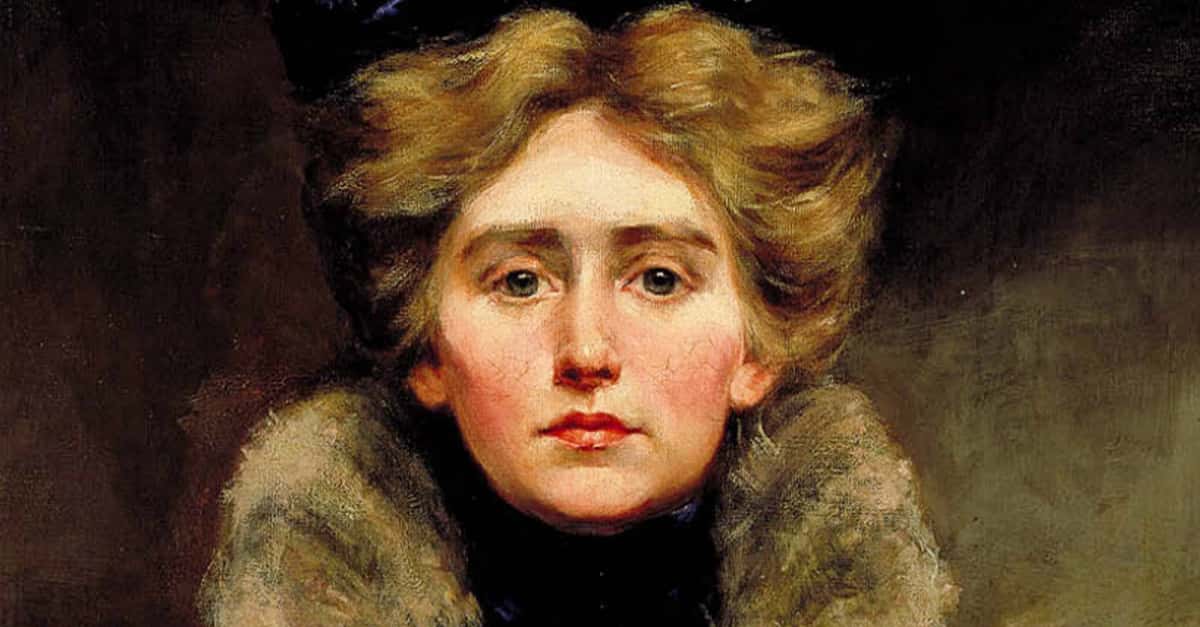
Natalie Clifford Barney Facts. Called "The Amazon" for her feminist ways, Natalie Clifford Barney lived on her own terms, no matter the consequences.

A New Look At A Distant GiantNASA’s James Webb Space Telescope has delivered an unprecedented look at Uranus. This distant ice giant has long remained one of the least understood planets in our solar system....
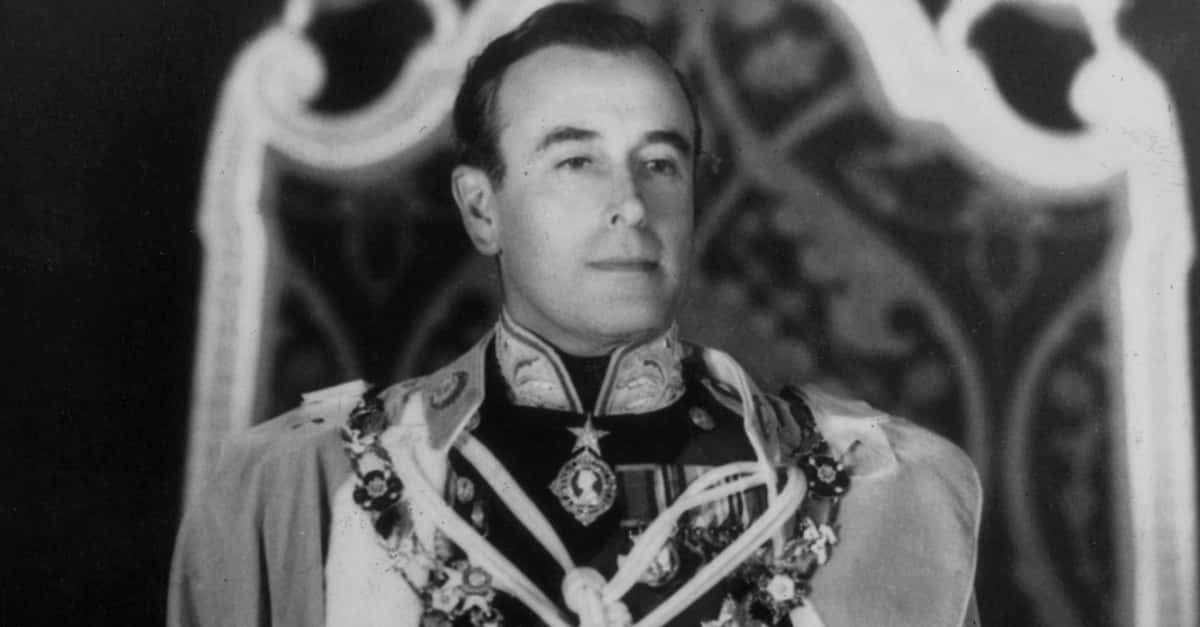
Lord Mountbatten was a decorated British Royal Navy veteran, a great hero on the surface. But his privileged position and silver-spooned jumpstart on life may be more responsible for his success than his actual skills. Behind the façade was a bumbling man who hid some disturbingly dark secrets.
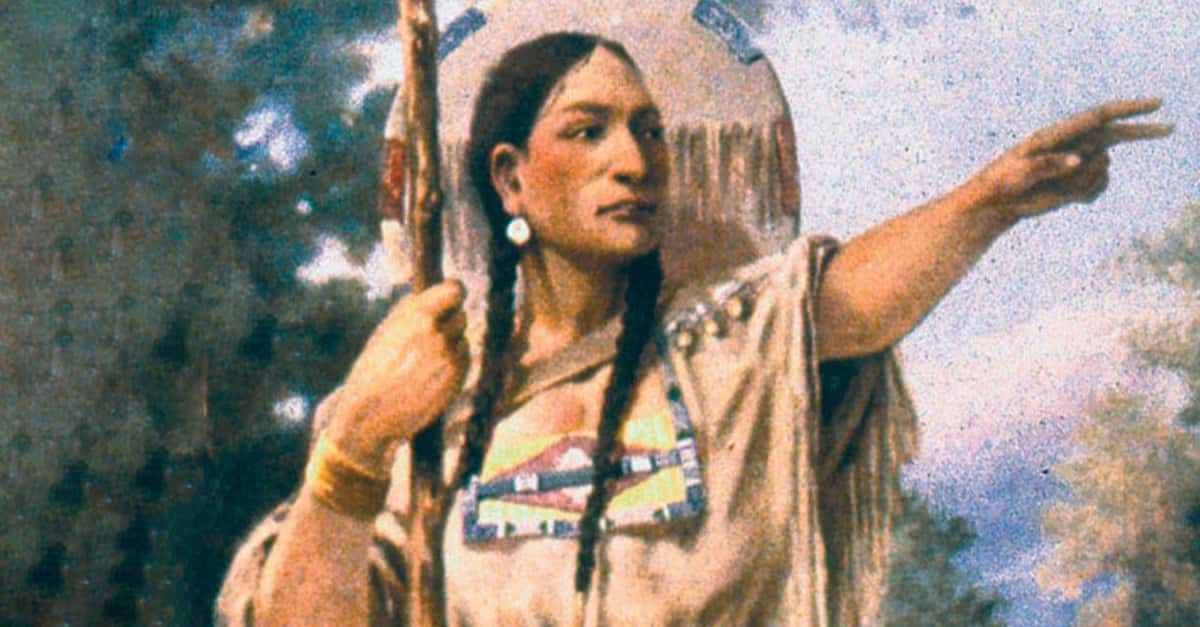
Sacagawea was one tough lady. When she was a teenage mom, this Shoshone explorer tied her baby to her back and fearlessly travelled westward across America as part of Lewis and Clark’s famous expedition. For most people, that’s pretty much the beginning and end of Sacagawea’s story—but they’d be wrong. From her perilous childhood to her nightmare of a marriage, there’s so much more to know about this Indigenous icon.

After the series finale of Game of Thrones finally aired, Sophie Turner revealed a tragic secret about the horrifying toll it took on her.
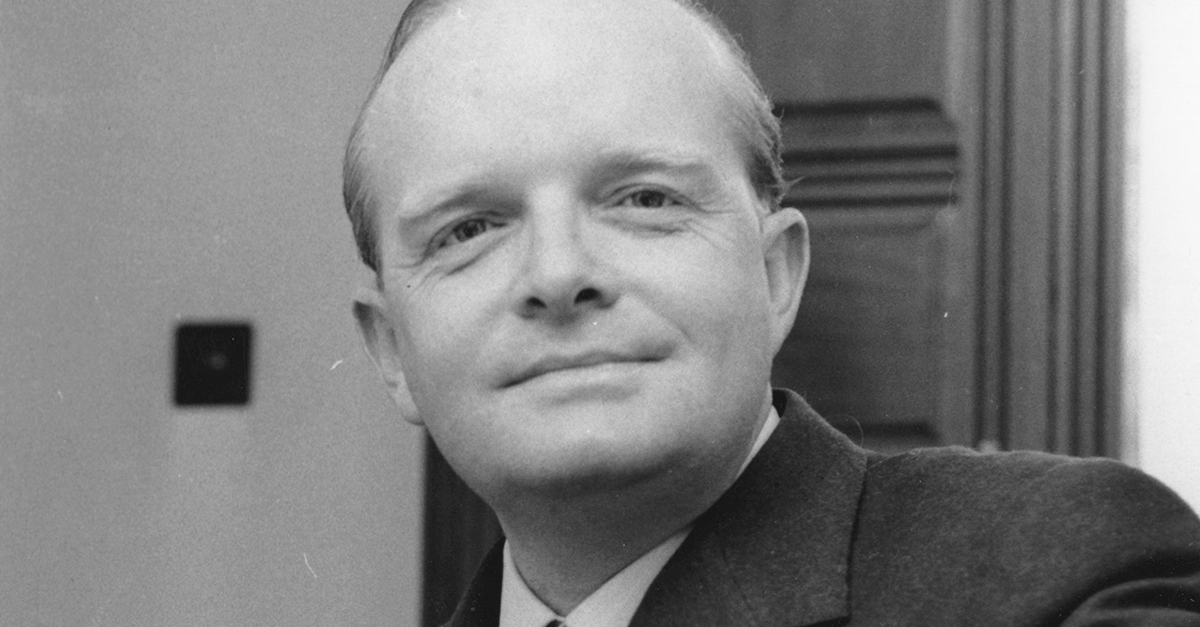
Life in the 1940s was already difficult enough, but it was even worse for anyone who was openly gay, especially if they were in the spotlight. Nevertheless, Truman Capote resolved never to change himself for anyone, and possibly without even intending to, became an early icon for the gay community. Whether or not it angered the public, he freely expressed his eccentric attitude and style—but it only took one publication to spark his tragic fall from grace.

Kids can be so innocent, so adorable, so silly—so why can they also be so darn creepy? These people have shared the most messed up things that have come out of their kids' mouths, and...
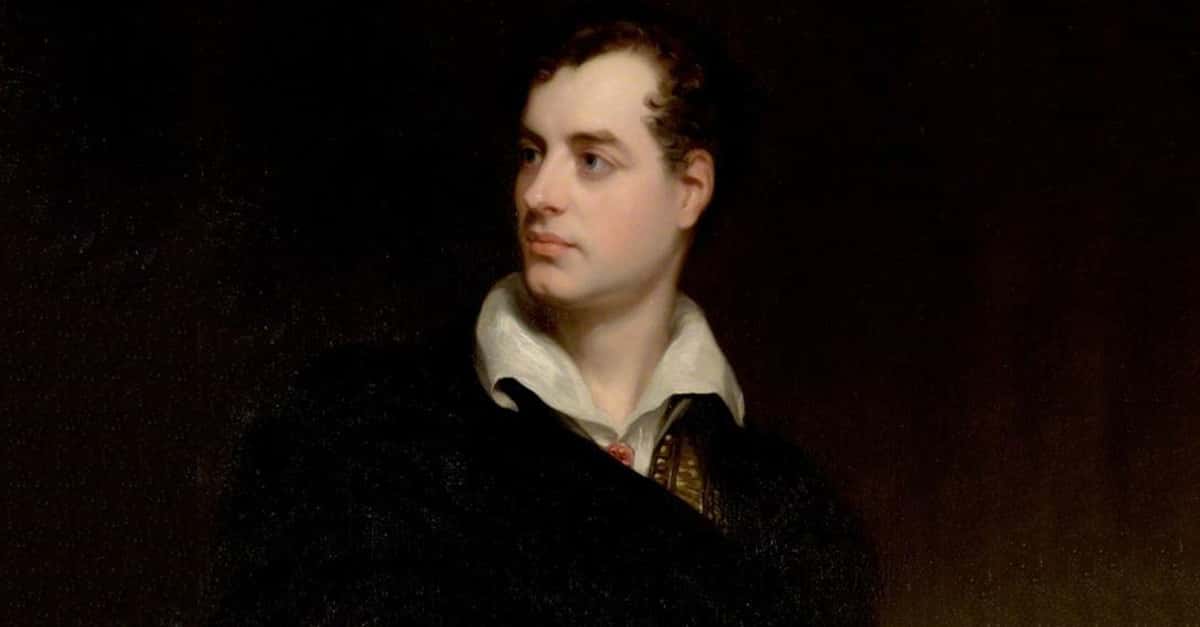
While Lord Byron became known for his poetry, he also became known for something else: his horrible treatment of women. Byron selfishly played with the hearts of women, and it didn’t matter if they were single, married, carrying his child or, on one occasion, even a member of his own family. When a country in crisis asked for his help, Byron finally did something altruistic. Tragically, it was this selfless act that drove Byron to an early grave.
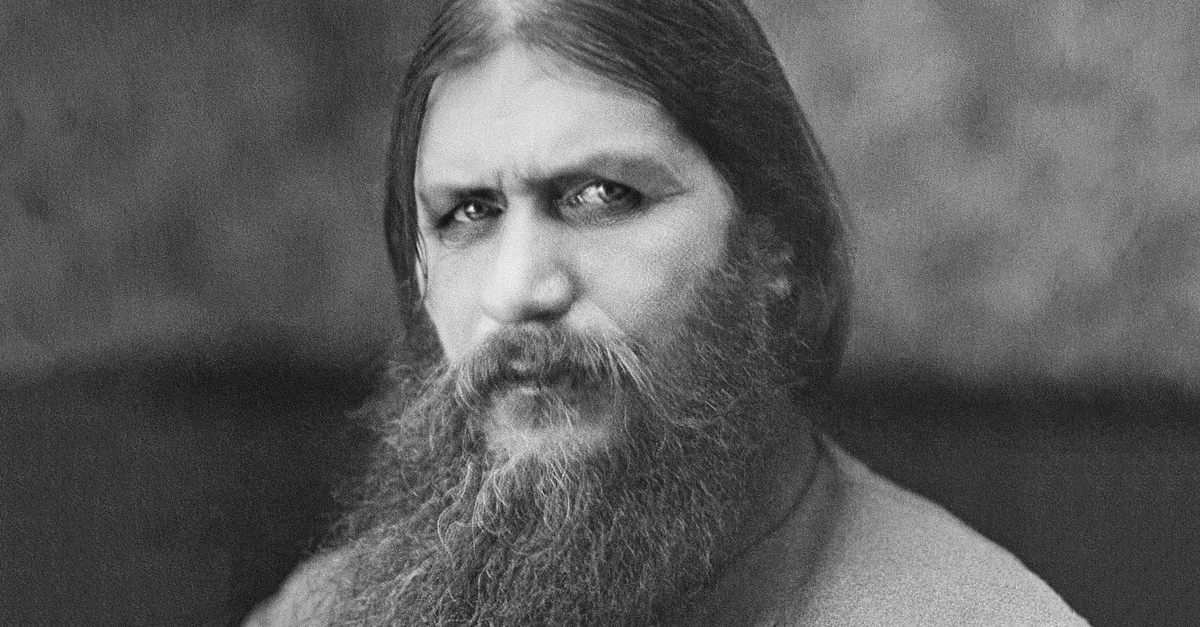
Rasputin rose from an illiterate Russian peasant to one of the most powerful men in the Romanov Empire, and he did it by means that still stump historians today. Loved by an ardent, powerful few and hated by the masses, dark rumors always swirled around the “Mad Monk” who had the Tsarina in his thrall…including the details of his mysterious end. The trouble is, some of those rumors are true.

If you like humaverse you may also consider subscribing to these newsletters: