
The Hockey Game That Changed EverythingI'm pretty sure I fell in love with Madison at a hockey game. We were three months into dating, crammed into arena seats that smelled like beer and nachos, and...

The Glass of Apple JuiceI was eight years old the first time I saw Melissa's face change. One second she was smiling at me across the kitchen counter, telling me how grown-up I looked. The...
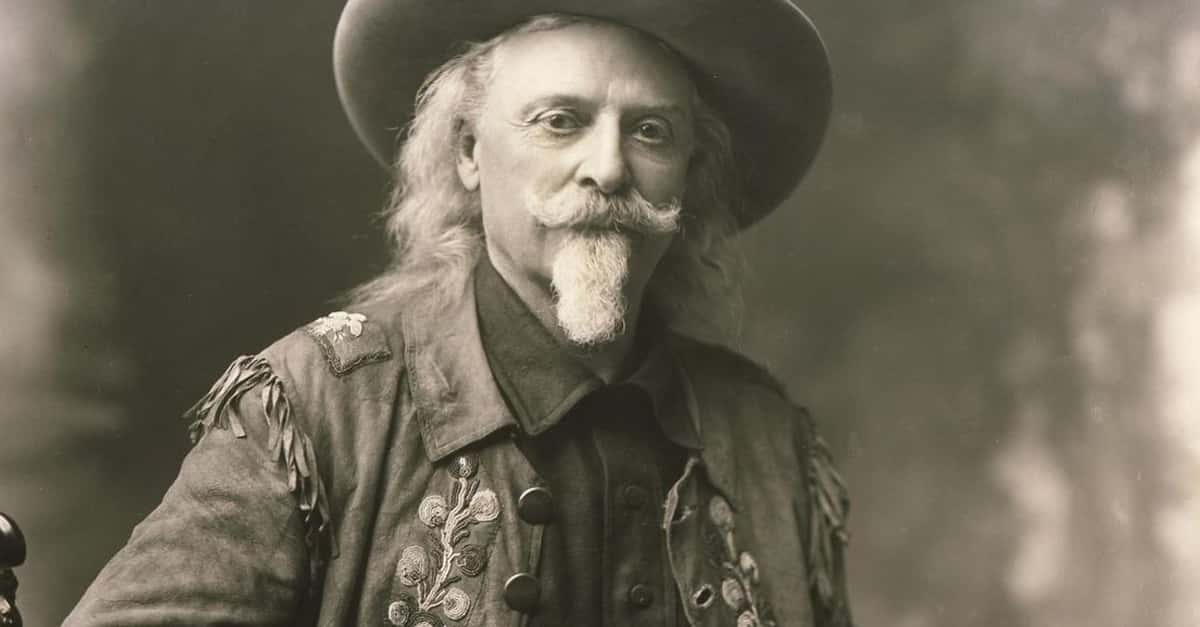
Few people embody the spirit of the Wild West better than showman and soldier, Buffalo Bill Cody. From humble beginnings and near destitution, Buffalo Bill seized the opportunities that presented themselves and built his fame. He embodied the American dream. He quite literally created his own story—which might just be the problem. Behind the tall tales that Bill told of his life, a darker truth inevitably came to light. So, settle in and let us introduce you to the real Buffalo Bill.

The Perfect LieI still remember the weight of that little velvet box in my jacket pocket as I walked through our apartment door. My hands were shaking. Ava had been calling me every hour for...
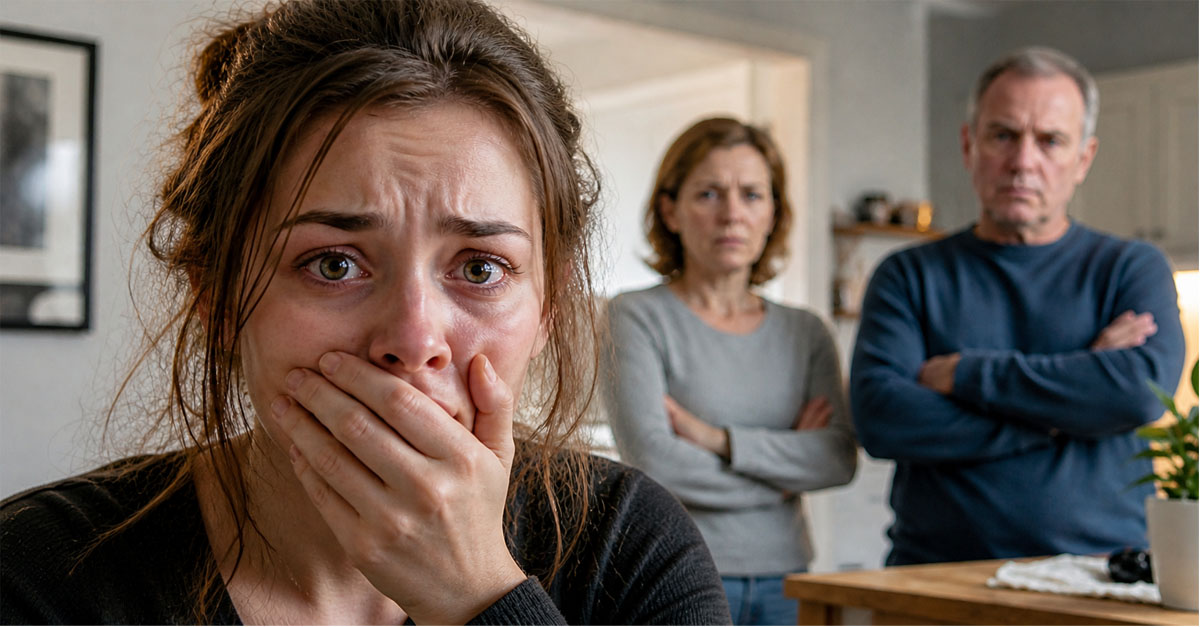
The Call That Changed EverythingI was sitting at our kitchen table with my Organic Chemistry notes spread everywhere when Emily's phone rang. Finals week, right? We were both running on caffeine and panic. She picked...
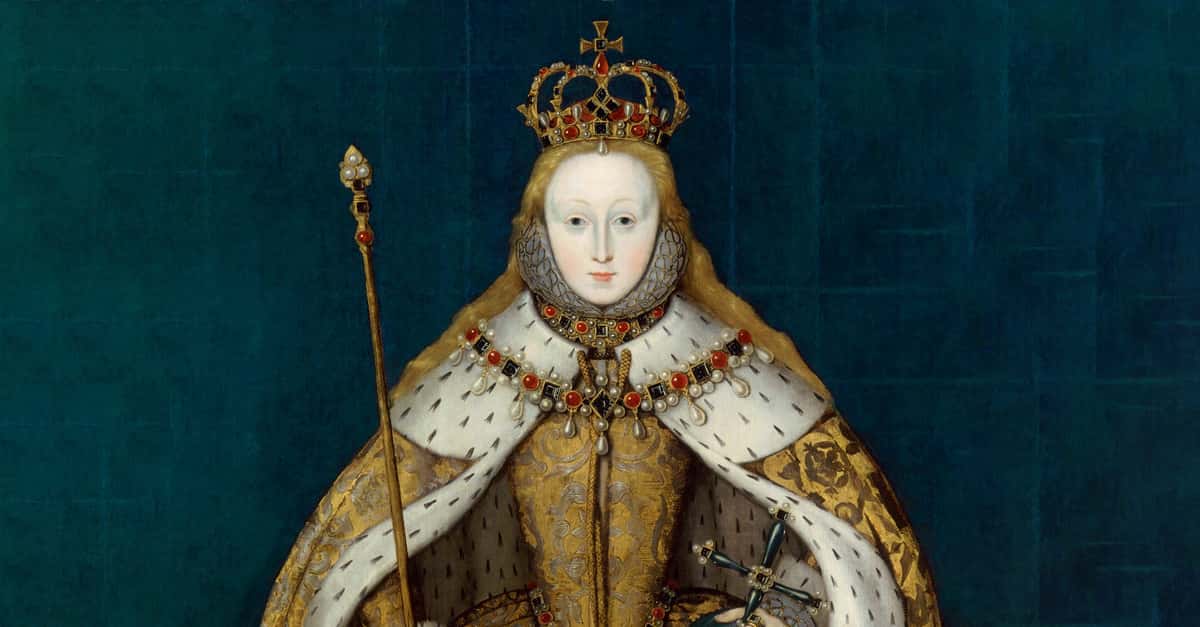
Schemer. Seducer. Tyrant? Queen Elizabeth I is one of the most famous—and notorious—monarchs of England, but few people know her dark history. As the daughter of the equally infamous King Henry VIII and his executed queen Anne Boleyn, let’s just say the apple doesn’t fall far from the tree.
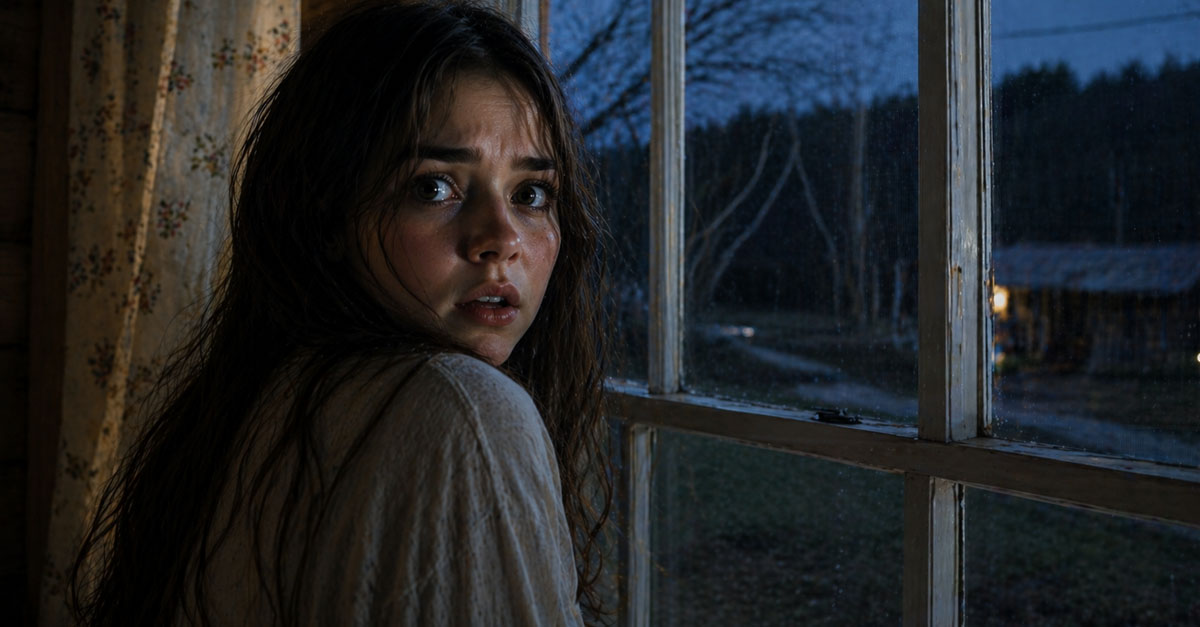
The KnockI was ten years old the first time I heard the knock. It came around midnight, three deliberate taps against my bedroom window, then silence, then two more. I remember sitting up in bed,...

The Dinner That Should Have Been a WarningSo this happened about three years ago, but I still remember every detail of that dinner. We were at this Italian place near Carol's house—Emily's mom insisted on...
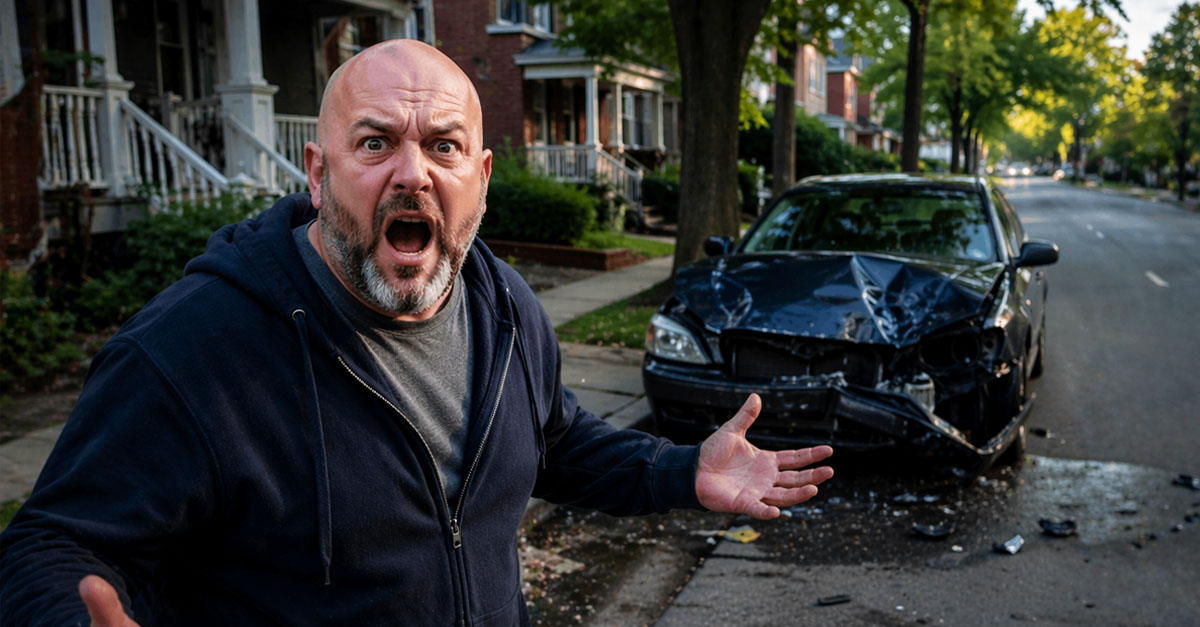
The Meltdown That Started EverythingSo my friend Jenna came to visit me last Saturday, and I swear the whole thing started before she'd even turned off her car. She parked legally on the street, right...

If you like humaverse you may also consider subscribing to these newsletters: